
Ketamine Clinic CRM: Build Referral Networks
Ketamine clinics live and die by referrals. Your CRM should be the engine that builds those referral relationships, not just a place to store patient records.
2026-03-14
Why Ketamine Clinics Need Specialized CRM Workflows
The ketamine therapy market is growing fast. IV ketamine infusion clinics and Spravato (esketamine) providers have expanded rapidly over the past three years, driven by FDA clearances for treatment-resistant depression, chronic pain indications, and increasing insurance coverage for Spravato. The American Society of Ketamine Physicians, Psychotherapists and Practitioners (ASKP) has tracked this growth closely, and most metro areas now have multiple clinics competing for the same patient base.
But about ketamine clinics: patients rarely find you on their own. The patient journey almost always starts with a referring provider. A psychiatrist who has exhausted SSRIs and SNRIs for a treatment-resistant depression patient. A pain management specialist looking for alternatives to opioids for a chronic pain patient. A primary care physician who has tried everything else.
That referral dependency changes how your CRM needs to work. Most healthcare CRMs are built around patient acquisition and retention. For ketamine clinics, the CRM needs to manage two separate relationship tracks: the referring providers who send you patients, and the patients themselves. If your CRM only handles the second track, you're missing the growth engine entirely.
How Provider Data Powers Ketamine Clinic Marketing
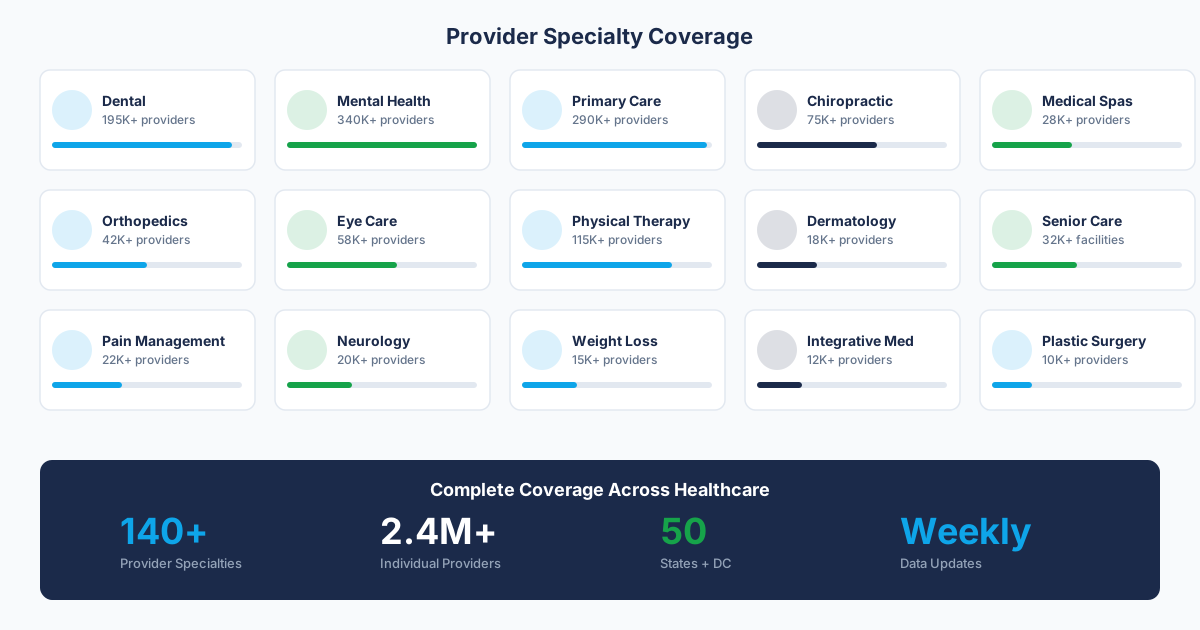
Building a referral network starts with knowing who to reach. For a ketamine clinic, the referring provider universe includes three main groups:
Psychiatrists are your primary referral source for treatment-resistant depression, the most common ketamine indication. You need to identify every psychiatrist within your service radius, understand their practice type (private practice vs. Group vs. Health system), and know whether they already refer to a competitor clinic.
Pain management specialists are your second major referral source. Chronic pain patients who haven't responded to conventional treatments are candidates for ketamine infusion therapy. Pain management doctors are increasingly aware of the evidence base, but many still don't have a ketamine provider they trust to refer to.
Primary care providers are a longer-play referral source. PCPs see patients with depression and chronic pain first, and while they're less likely to refer directly to a ketamine clinic, educating them about when ketamine therapy is appropriate can open a steady stream of referrals over time.
Without verified provider data, you're guessing at who these people are and where they practice. The CMS NPI Registry gives you names and specialty classifications, but it doesn't give you direct phone numbers, practice emails, or accurate practice addresses. And if you're trying to build relationships with 200+ referring providers in your market, you can't afford to waste outreach on bad contact information.
CRM Workflow: Building and Managing Referral Networks
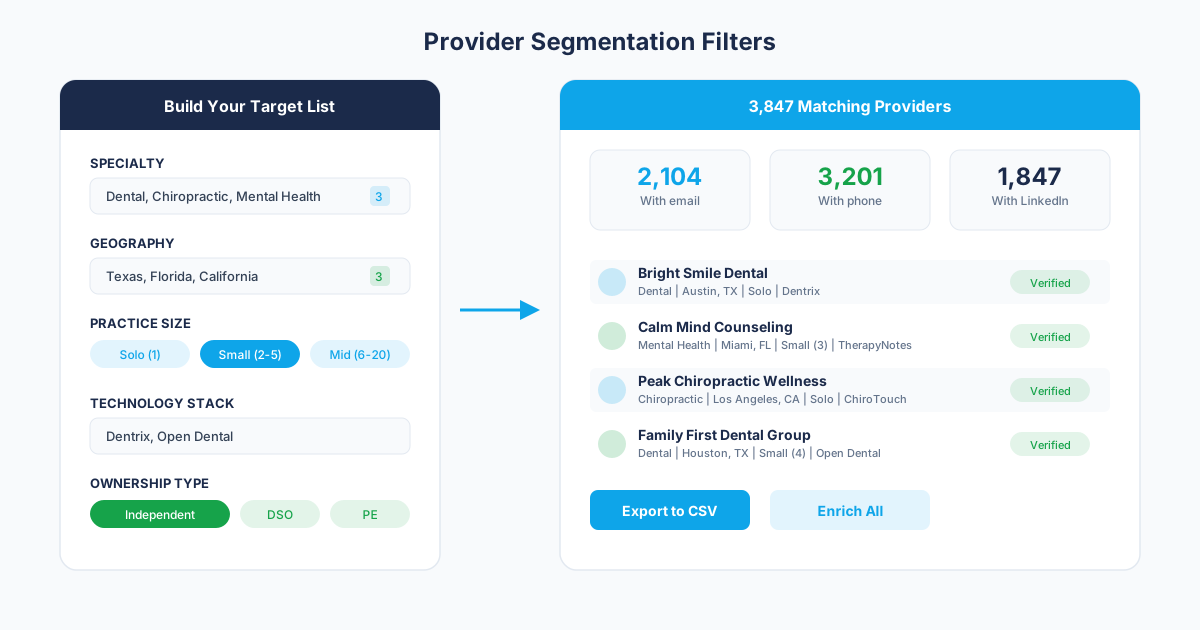
Once you have verified provider data, the CRM workflow for a ketamine clinic looks different from a standard healthcare practice. Here's what the referral pipeline should look like:
Segment by Specialty and Referral Potential
Import your provider contact lists into HubSpot, Salesforce, or whatever CRM you're using, and segment immediately. Psychiatrists treating treatment-resistant depression are your highest-value referral targets. Pain management specialists are next. PCPs are your awareness-building tier. Each segment gets different messaging, different touchpoints, and different follow-up cadences.
Track Referral Relationships, Not Just Contacts
Your CRM should track more than contact information. For each referring provider, you need to know: Have they referred before? How many patients? What indications (depression vs. Pain)? When was the last referral? When was the last touchpoint from your team? This turns your CRM from a contact database into a relationship management tool.
Build Outreach Campaigns by Geography and Specialty
Ketamine clinics have a defined service radius. Most patients won't travel more than 30-45 minutes for treatment, which means your referral network is geographically constrained. Use provider data filtered by specialty and ZIP code to build targeted outreach lists. A psychiatrist 10 miles from your clinic is worth more than one 60 miles away.
Automate Follow-Up Without Losing the Personal Touch
Referral relationships require ongoing nurturing. Set up automated sequences in your CRM: a thank-you note after every referral, quarterly updates on patient outcomes (de-identified), invitations to lunch-and-learn events about new protocols. The automation keeps the cadence consistent. The content keeps it personal.
How Provyx Provider Data Plugs Into Your Ketamine Clinic CRM
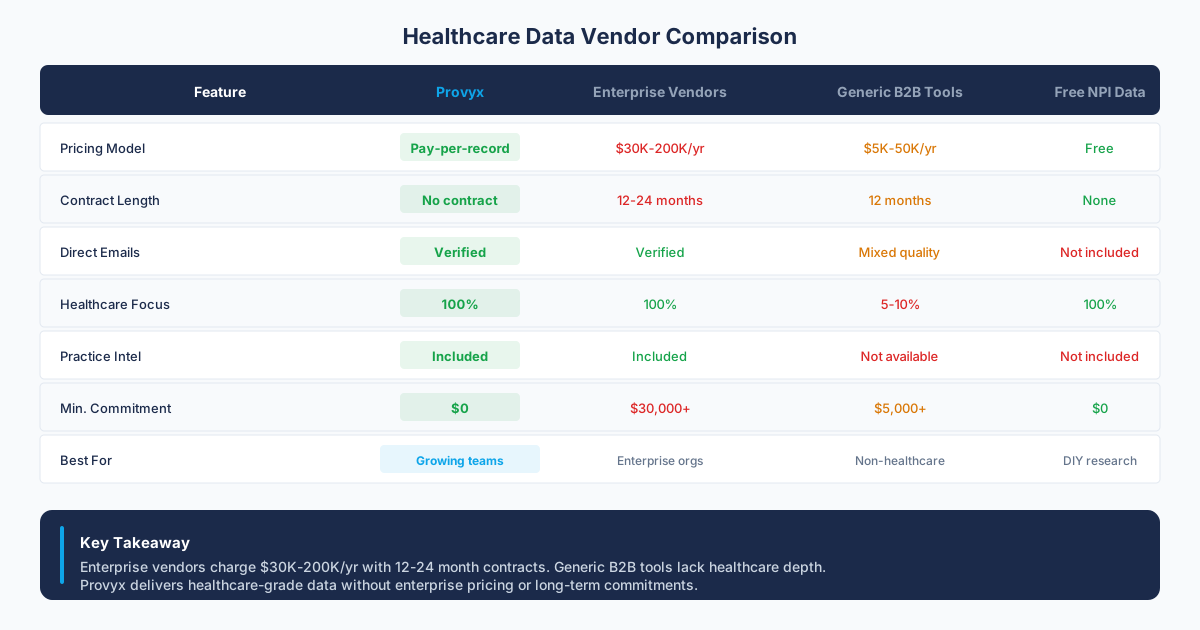
The gap most ketamine clinics face is getting accurate, segmented provider data into their CRM in the first place. Provyx closes that gap.
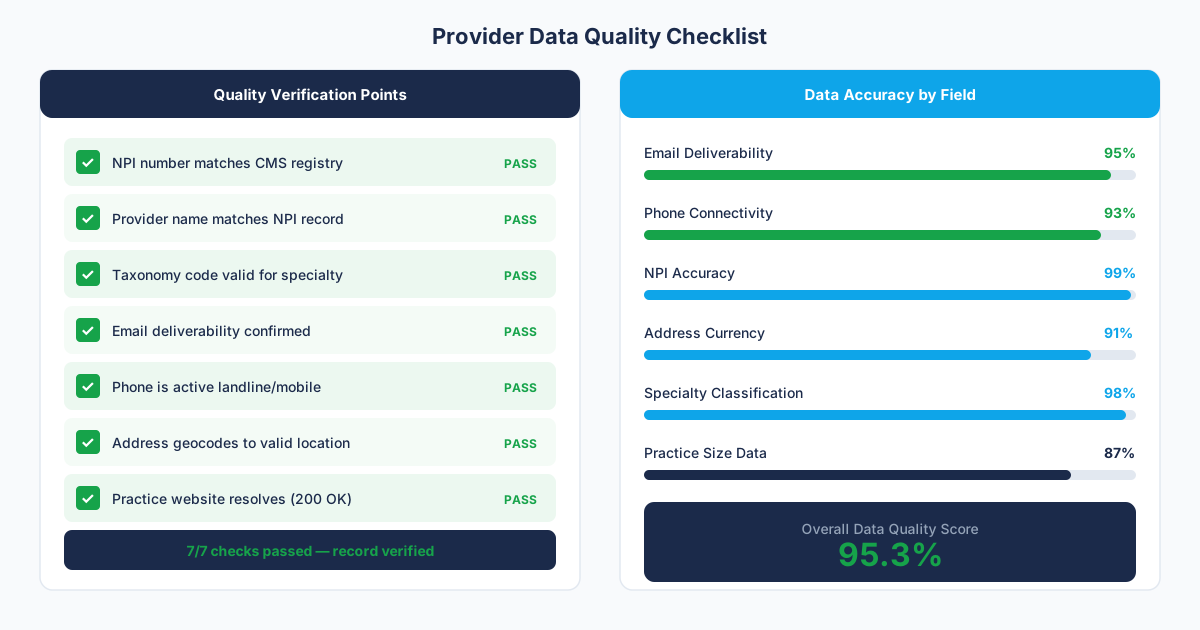
Our provider contact data service delivers verified psychiatrist, pain management, and PCP contact lists filtered by geography, practice type, and specialty. You get direct phone numbers, practice emails, verified practice addresses, and NPI numbers. Not a raw NPPES dump with 15% stale addresses. Verified data you can actually build outreach on.
For ketamine clinics specifically, the workflow looks like this:
Step 1: Define your service radius and target specialties. Most clinics start with psychiatrists within 25 miles.
Step 2: Import the verified provider list into your CRM. Tag each contact by specialty, practice type, and geography segment.
Step 3: Launch segmented outreach. Psychiatrists get messaging about treatment-resistant depression outcomes. Pain management specialists get messaging about chronic pain protocols. PCPs get educational content about when to consider ketamine referrals.
Step 4: Track every interaction, referral, and outcome in your CRM. Over time, this data tells you which providers are your best referral sources, which need more nurturing, and where your network has gaps.
For a deeper look at how mental health provider data supports clinic marketing, including practice type segmentation and contact verification, see our mental health provider data page.
The Referral Data Feedback Loop
The best ketamine clinics don't just build a referral list and work it. They create a feedback loop. Every referral that comes in gets tracked back to the referring provider. Every patient outcome (anonymized) feeds back into the relationship. Over six months, you know exactly which psychiatrists refer the most, which pain management doctors are warming up, and which PCPs need a different approach.
This feedback loop is only possible when your CRM has clean provider data at its foundation. If you're working from a list with bad phone numbers and outdated addresses, you can't track referral sources accurately because you can't match incoming patients to the providers who sent them. The data quality problem cascades through your entire referral tracking system.
Ketamine clinics that get this right, clean provider data feeding a relationship-focused CRM, build referral networks that compound over time. Each new referring provider relationship generates patients who then refer other providers through word of mouth. The CRM tracks it all, and the data tells you where to invest your next marketing dollar.
If you're building or growing a ketamine clinic and want to see what verified provider data looks like for your market, start with our healthcare sales prospecting use case to understand the workflow, then scope a list for your geography and target specialties.
Frequently Asked Questions
What CRM is best for a ketamine clinic?
There isn't one CRM purpose-built for ketamine clinics, but HubSpot and Salesforce both work well when configured for referral relationship tracking. The key is setting up custom properties for referring provider specialty, referral count, last referral date, and preferred indication (depression vs. Pain). Some clinics use healthcare-specific CRMs like DrChrono or Kareo for patient management and a separate CRM for provider relationships.
How do I find psychiatrists to refer patients to my ketamine clinic?
Start with the CMS NPI Registry to identify psychiatrists by specialty classifications and geography, but expect 8-15% of those records to have outdated addresses or missing contact information. A commercial provider data vendor like Provyx can deliver verified psychiatrist contact lists filtered by ZIP code, practice type, and specialty focus. Import these into your CRM and segment by proximity to your clinic location.
How many referring providers does a ketamine clinic need?
Most successful ketamine clinics maintain active referral relationships with 50-150 providers, depending on market size. In a mid-size metro, 20-30 actively referring psychiatrists and 10-15 pain management specialists can sustain a full treatment schedule. The key metric isn't total providers in your CRM but the number who have referred at least one patient in the past 90 days.
Can I use NPPES data to build my ketamine clinic referral list?
NPPES gives you provider names, NPI numbers, specialty classifications, and a reported practice address. That is a starting point for identifying psychiatrists and pain management specialists in your area. But NPPES doesn't include email addresses, often has outdated practice addresses, and doesn't distinguish between billing and practice locations. For outreach that actually reaches providers, you need commercially verified data layered on top of the NPI foundation.
Sources and References
Related Resources
Get the Provider Data You Need
Tell us what you're looking for. We'll build a custom list matched to your target market.
Trusted by healthcare sales teams, medical device companies, and health IT vendors across the US.